

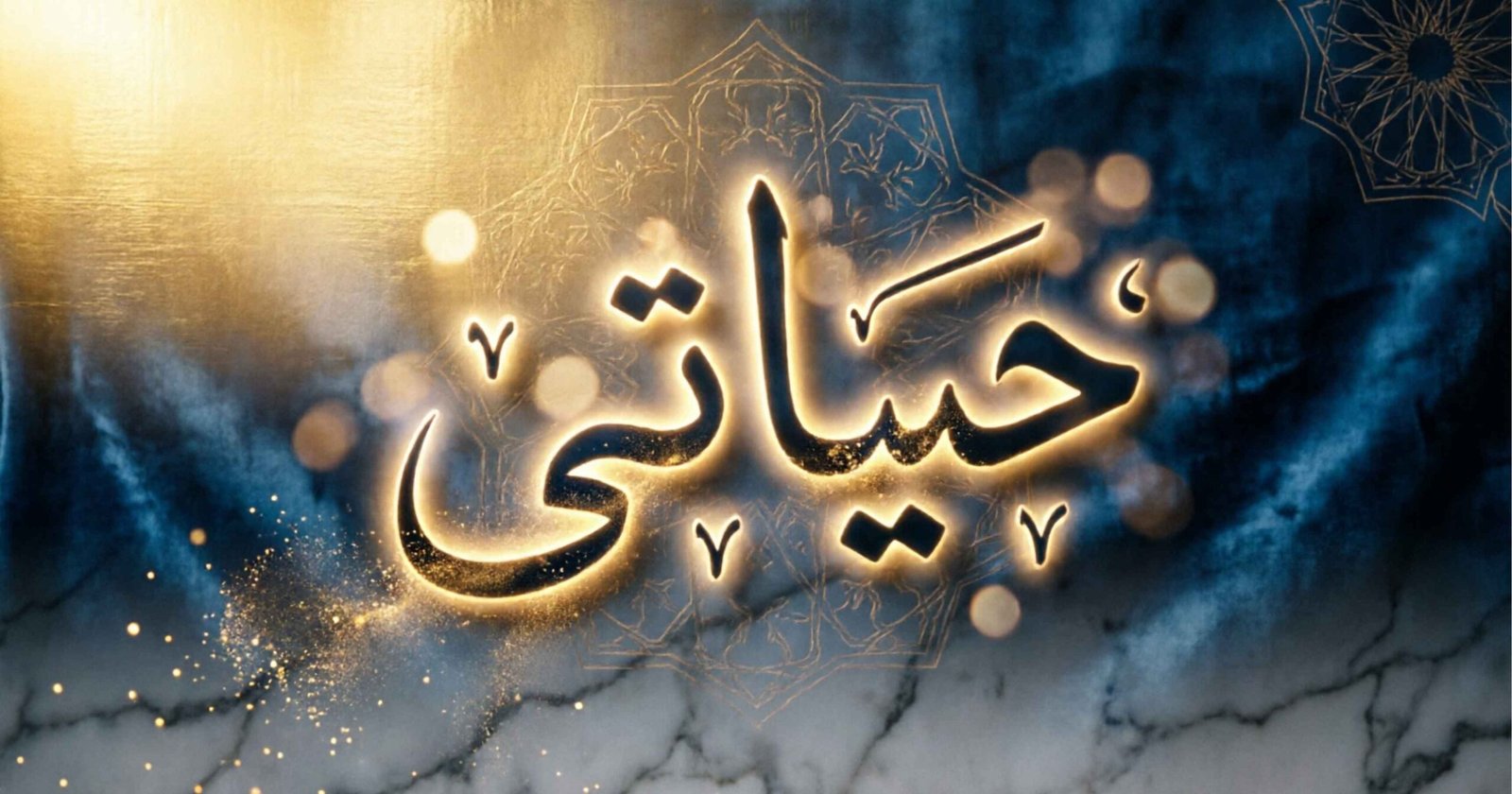
Have you ever come across the word Hayati and wondered what it really means? Many people search for Hayati Meaning because they hear it in conversations, songs, or social media and want to know the deeper meaning behind it. Others are curious about Meaning of Hayati in urdu, Meaning of Hayati in arabic, or even how the word is used in different cultures and languages.
In this article, you will find a simple and clear explanation of Hayati along with its origin, cultural importance, and usage. We will also cover inta hayati meaning, Meaning of Hayati in tamil, and other related meanings that people commonly search for online. By the end, you will have a complete understanding of this beautiful and meaningful word.
What Does “Hayati” Actually Mean?
Hayati is a beautiful Arabic word that means “my life” in English. People often use it to show deep love, care, and affection for someone special. The word comes from “hayat,” which means life.
When people search for Hayati Meaning, they usually want to understand its emotional meaning. In everyday conversations, Hayati can be used for a partner, family member, or someone very close. It is one of the most common Arabic terms of endearment.
The Meaning of “Hayati” in Arabic
In Arabic, Hayati (حياتي) literally means “my life.” It combines the word “hayat,” meaning life, with a possessive ending that means “my.” This creates a warm and personal expression.
The Hayati Meaning in Arabic goes beyond a simple translation. People often use it to express love, affection, and emotional closeness. It is commonly heard between couples, family members, and close friends in many Arabic-speaking communities.
Linguistic Root and Grammatical Usage
Words often carry stories within them, and “Hayati” is a perfect example. At first glance, it may seem like a simple Arabic expression, but its meaning becomes much richer when you understand how the language forms and uses it.
The Hayati Meaning comes from both grammar and culture. Arabic is built around root words that create families of related meanings. By looking at the word’s structure, you can better understand why it feels so personal and emotional when people use it in everyday speech.
Root Based Meaning
The word “Hayati” comes from the Arabic root ḥ-y-y (ح-ي-ي), which is connected to life, living, and vitality. From this root comes the word hayat (حياة), meaning “life.”
Think of the root as the trunk of a tree. Many Arabic words grow from it, each carrying a connection to life and existence. Because of this origin, Hayati literally refers to something deeply valuable and essential.
The Possessive Ending
Arabic often adds endings to words to show ownership. In “Hayati,” the ending “-i” (ي) means “my.”
When attached to hayat (life), it becomes hayati, which translates directly as “my life.” This small grammatical change turns a general word into a personal expression. It shows closeness, affection, and emotional attachment.
Direct Address in Speech
People frequently use Hayati meaning when speaking directly to someone they care about. Instead of saying a person’s name, they may call them “Hayati” as a loving nickname.
For example, a spouse might greet his wife by saying, “Good morning, Hayati.” In this context, the phrase works much like “my dear” or “my love” in English. It creates warmth and strengthens personal connections.
Emotional Weight vs Literal Meaning
Although Hayati meaning literally means “my life,” native speakers rarely interpret it in a strictly literal way. The phrase carries emotional meaning rather than suggesting that someone is your actual life.
A good comparison is the English phrase “You mean the world to me.” Nobody takes it literally, yet everyone understands the deep affection behind it. Similarly, Hayati expresses love, appreciation, and emotional importance.
Things to Remember
- It comes from the Arabic word for life. The foundation of Hayati is the word “hayat,” which means life. This gives the expression its powerful emotional meaning.
- The ending changes everything. Adding the possessive ending “-i” transforms “life” into “my life,” making the phrase personal and affectionate.
- It is commonly used as a term of endearment. Couples, family members, and close friends often use Hayati to show love and closeness.
- Its emotional meaning is stronger than its literal translation. Most speakers use it to express affection rather than its direct dictionary meaning.
- It reflects Arabic communication style. Arabic emotional expressions often use beautiful and poetic language, and Hayati is one of the most popular examples.
Understanding the linguistic root and grammatical structure of Hayati meaning helps explain why this simple word carries so much emotion. Its blend of language, culture, and affection makes it one of the most meaningful Arabic terms of endearment used today.
How Possession Works in Arabic

Arabic shows ownership in a simple but unique way. Instead of using separate words like “my” or “your,” Arabic often adds small endings to the end of a word.
- The ending attached to a word can show who owns or relates to something.
- A single letter can completely change a word’s meaning and make it personal.
- Possessive endings are used with people, objects, places, and ideas.
- Arabic speakers use these endings in both formal writing and daily conversations.
- Learning possessive forms helps you understand many common Arabic expressions.
- These word endings make sentences shorter and more natural to native speakers.
- Many affectionate phrases, including Hayati, rely on this grammatical feature.
Examples of “Hayati” in Arabic Sentences
Understanding how Hayati appears in real conversations can help you grasp its emotional meaning more clearly. Since Hayati means “my life,” it is commonly used in Arabic affectionate expressions, romantic phrases, and everyday communication between people who share a close bond.
The way people use this Arabic word can change based on the relationship, tone, and situation. The interpretation may vary depending on the situation:
Romantic conversations: A partner might say, “Sabah al-khair, Hayati” (“Good morning, my life”) to express love and affection. This is one of the most common uses of Hayati in love.
Family interactions: Parents sometimes use Hayati when speaking to their children. In this context, the phrase reflects care and emotional closeness rather than romance.
Text messages and chats: Many Arabic speakers use Hayati in messages to make conversations feel warmer and more personal. It is a popular part of modern Arabic communication style.
Friendly usage: In some regions, very close friends may use Hayati as a sign of affection. However, this usage is less common and depends on local culture and personal relationships.
Formal situations: Hayati is generally not used in business meetings or professional settings. Because it carries strong emotional weight, it is usually reserved for personal conversations.
These examples show how flexible Hayati can be. While the literal translation remains the same, its emotional meaning changes depending on who is speaking and the relationship between the people involved.
The Expression “Ya Hayati” , A Closer Look
“Ya Hayati” is a heartfelt Arabic expression used to show love, care, and emotional closeness. The word “Ya” is used when calling someone directly, making the phrase feel warm, personal, and affectionate.
| Aspect | Explanation |
| Literal Meaning | Translates closely to “O my life” or “my dear life.” |
| Emotional Tone | Expresses strong affection, warmth, and appreciation. |
| Common Users | Often used by couples, family members, and close friends. |
| Everyday Usage | Frequently heard in conversations, texts, and voice messages. |
| Romantic Context | Popular between partners to express deep feelings. |
| Cultural Importance | Reflects the expressive nature of Arabic communication. |
| Similar Expressions | Often used alongside words like Habibi and Habibti. |
Read More:Latest Gaming PlayMyWorld Secrets You Must Know 2026
Common Uses of Ya Hayati
Ya Hayati is a popular Arabic expression that means “O my life” or “my life.” It is one of the most recognized Arabic terms of endearment and is often used to express affection, warmth, and emotional connection.
In Arabic-speaking cultures, people use Ya Hayati in different ways depending on the relationship and setting. The interpretation may vary depending on the situation:
- Between romantic partners: Couples often use Ya Hayati to express love and appreciation. It is commonly heard in Arabic romantic language, love messages, and personal conversations.
- As a caring family expression: Parents, grandparents, and close relatives may say Ya Hayati to show affection toward children or loved ones. In this case, the phrase reflects care rather than romance.
- In songs and poetry: Many Arabic love words appear in music and literature, and Ya Hayati is one of them. Writers and singers use it to add emotional depth and warmth.
- During emotional moments: People may use Ya Hayati when comforting someone, showing concern, or expressing gratitude. The phrase can make a conversation feel more personal and sincere.
- Not suitable for formal settings: While Ya Hayati is widely appreciated, it is generally avoided in professional or business environments. Using it with strangers may feel too personal in some cultures.
These common uses show why Ya Hayati remains an important part of Arabic emotional vocabulary. Its meaning stays rooted in affection, but the exact feeling it conveys depends on the relationship and context.
Cultural or Quranic Significance of “Hayati”
Some words carry more than a dictionary meaning, and “Hayati” is one of them. While it simply translates to “my life,” its emotional and cultural value runs much deeper. To truly understand the Hayati Meaning, it helps to look at how life, love, and relationships are viewed in Arabic culture and Islamic thought.
The word is not a Quranic term used as a title or special phrase, but it comes from the Arabic word for life, which holds great importance in both religion and culture. Over time, people have used Hayati as a heartfelt expression that reflects affection, respect, and emotional closeness.
Life Is Sacred in Islamic Thought
In Islam, life is considered one of God’s greatest blessings. The Quran frequently speaks about the value of human life and the responsibility to protect and respect it.
Because the word Hayati meaning comes from “hayat,” meaning life, it naturally carries positive and meaningful associations. When someone calls another person Hayati, it can suggest that the person is precious and deeply valued. While the term itself is not a religious phrase, its connection to life gives it emotional significance.
Emotional Language Is Valued in Arab Culture
Arabic culture often embraces expressive and heartfelt communication. People do not always hide their feelings behind formal words. Instead, they use affectionate expressions to show care and appreciation.
Terms like Hayati, Habibi, and Habibti are common examples. These Arabic terms of endearment help strengthen relationships and create a sense of warmth. In many Arab families, using loving words is a natural part of daily conversation.
Common in Poetry, Songs, and Storytelling
One reason the Hayati Meaning feels so powerful is its long history in Arabic literature. Poets, songwriters, and storytellers have used the word for generations to express love, longing, and devotion.
You may hear Hayati in romantic songs or read it in classic poetry. The phrase often appears when a writer wants to emphasize how important someone is. This artistic use has helped keep the word popular across different generations.
Used Carefully, Not Casually
Although Hayati meaning is common, it is usually reserved for people who share a close bond. Most speakers do not use it with strangers or in formal business settings.
Think of it like calling someone “my love” in English. The phrase feels natural between loved ones but might sound unusual in a professional meeting. In the same way, Hayati carries emotional weight and is often used thoughtfully rather than casually.
Cultural Reflections
Several cultural factors help explain why Hayati remains meaningful today:
- It reflects the importance of relationships. Arab culture places strong value on family, friendship, and community. Words like Hayati help express those emotional connections in a sincere way.
- It shows how language can carry emotion. The phrase means more than “my life” when translated literally. It communicates affection, loyalty, and appreciation all at once.
- It connects modern speakers with tradition. Many Arabic expressions used today have roots in older cultural practices, poetry, and storytelling traditions.
- It highlights the beauty of Arabic communication. Arabic speakers often use vivid and meaningful language. Hayati is a perfect example of how a simple word can carry deep feelings.
- It remains relevant across generations. From grandparents to young couples sending text messages, people continue to use Hayati to express love and closeness.
The cultural significance of Hayati goes far beyond its translation. It reflects the value of life, the importance of relationships, and the expressive nature of Arabic culture. That is why the Hayati Meaning continues to resonate with people across the Arabic-speaking world and beyond.
Arabic vs. Urdu: Hayati Meaning in Urdu

Have you ever heard the word “Hayati” and wondered why it sounds familiar even if you speak Urdu? That’s because Arabic and Urdu share many words, especially those connected to emotions, culture, and religion.
When discussing Hayati Meaning in Urdu, it helps to understand its Arabic roots first. In Arabic, Hayati means “my life.” Urdu speakers generally understand it in the same emotional sense, even though it is not a commonly used everyday Urdu word. The phrase often appears in poetry, songs, Islamic content, and social media.
Differences and Similarities
- The core meaning remains the same. In both Arabic and Urdu contexts, Hayati is associated with love, affection, and emotional value. The closest Urdu translations could be “میری زندگی” (Meri Zindagi) or “جانِ من” (Jan-e-Man), depending on the situation.
- Arabic uses it more frequently in daily speech. Many Arabic speakers use Hayati as a term of endearment when talking to loved ones. In Urdu-speaking communities, people are more likely to use local expressions such as “meri jaan” or “janeman.”
- Urdu speakers often encounter it through media. Arabic songs, television dramas, and social media have introduced many people to the word. As a result, interest in Hayati Meaning in Urdu has grown in recent years.
- The emotional tone is easily understood. Even if someone does not know Arabic grammar, they can usually sense that Hayati is a warm and affectionate phrase. Its meaning is often clear from the context of the conversation.
- Cultural influences connect the two languages. Urdu contains thousands of words borrowed from Arabic and Persian. This shared linguistic history helps Urdu speakers recognize and appreciate Arabic expressions like Hayati.
Urdu Meaning of Hayati
| Arabic Word | Urdu Meaning | English Meaning |
| Hayati | میری زندگی | My Life |
| Ya Hayati | اے میری زندگی | O My Life |
| Inta Hayati | تم میری زندگی ہو | You Are My Life |
One interesting fact is that while Arabic speakers may use Hayati in everyday conversations, Urdu speakers often experience it through literature, poetry, and romantic expressions. This gives the word a slightly more poetic feel in Urdu than it may have in some Arabic-speaking regions.
The Hayati Meaning in Urdu stays very close to its original Arabic meaning. Whether you translate it as “meri zindagi” or understand it as a symbol of deep affection, the word continues to convey love, care, and emotional closeness across both languages.
Hayati Meaning Arabic Text
In Arabic text, Hayati is written as حياتي. The word comes from حياة (Hayat), which means “life.” By adding the Arabic possessive ending ي (i), the meaning changes to “my life.” This simple word carries a strong emotional message in Arabic communication.
Many people search for Hayati Meaning Arabic Text because they want to see the original Arabic spelling. The word حياتي appears in text messages, love letters, songs, poetry, and social media posts. Arabic speakers often use it as a term of endearment for someone they deeply care about.
| Arabic Text | Transliteration | English Meaning |
| حياتي | Hayati | My Life |
| يا حياتي | Ya Hayati | O My Life |
| إنت حياتي | Inta Hayati | You Are My Life |
| إنتِ حياتي | Inti Hayati | You Are My Life (Female) |
One interesting feature of Arabic is that a single word can express both meaning and emotion. While حياتي literally translates to “my life,” native speakers often use it to show affection, appreciation, and closeness. That is why the phrase remains one of the most popular Arabic affectionate expressions today.00000000000
Hayati in Arabic for Male
When used for a male, Hayati still means “my life.” A woman may call her husband, fiancé, boyfriend, son, or another loved male family member Hayati to express affection and emotional closeness.
The Hayati Meaning does not change based on gender. Instead, the relationship and context determine how the word is understood. In Arabic culture, calling a man Hayati is often a warm way to show love, care, appreciation, and deep personal connection.
Hayati Meaning Arabic from a Girl
When a girl says “Hayati,” the phrase usually carries affection, warmth, or emotional attachment. Since Hayati means “my life” in Arabic, its meaning often depends on the relationship, tone of voice, and situation in which it is used.
In Arabic-speaking cultures, women may use Hayati meaning as part of everyday emotional expressions. The phrase can appear in conversations, text messages, social media posts, and personal interactions. The interpretation may vary depending on the situation:
- Romantic interest: A girl may call her boyfriend, fiancé, or spouse Hayati to express love and emotional closeness. In this context, it functions as one of the most common Arabic terms of endearment.
- Deep affection for family: Mothers, sisters, or daughters sometimes use Hayati when speaking to loved family members. Here, the phrase reflects care and strong family bonds rather than romance.
- Friendly and caring tone: In some communities, close female friends may use Hayati to show warmth and support. The emotional intensity is usually lower than in romantic relationships.
- Context matters greatly: Hearing Hayati from a girl does not automatically mean romantic feelings. The relationship between the speakers often determines the intended meaning.
- Possible misunderstandings: Non-Arabic speakers may assume the phrase is always romantic. However, Arabic emotional vocabulary often includes affectionate expressions that can be used in several types of relationships.
When a girl uses Hayati, the phrase generally signals affection, appreciation, or emotional connection. Understanding the context helps reveal whether the meaning is romantic, familial, or simply caring.
Literal Translation
The literal translation of Hayati is “my life.” In Arabic, the word is written as حياتي and comes from hayat (حياة), meaning “life.” The ending -i (ي) means “my,” turning the word into a personal expression. This grammatical structure is common in Arabic and helps create many meaningful phrases.
From a dictionary perspective, Hayati simply means “my life.” However, language is not always about direct translation. In everyday Arabic communication, people often use Hayati to express affection, emotional closeness, and appreciation. The phrase can be used for a romantic partner, family member, or someone who holds special importance in a person’s life.
| Arabic Word | Literal Translation | Meaning |
| حياة (Hayat) | Life | Refers to life or existence |
| حياتي (Hayati) | My Life | A personal and affectionate expression |
| يا حياتي (Ya Hayati) | O My Life | A loving way to address someone |
| إنت حياتي (Inta Hayati) | You Are My Life | A strong expression of affection |
The literal translation helps explain why the word feels so powerful. While “my life” is the direct English meaning, Arabic speakers often use Hayati as a heartfelt expression that conveys love, care, and emotional connection.
Read More:The Word Alhamdulillah Meaning in Arabic With Examples
Word Components
Sometimes a single word can tell a much bigger story than you might expect. The Arabic word “Hayati” is a great example. At first, it looks simple, but when you break it into smaller parts, you can see how Arabic builds meaning in a clever and beautiful way.
Understanding the components of Hayati meaning helps explain why the word feels so personal. Instead of being created from several separate words, Arabic often combines meanings into one expression. This makes the language both efficient and expressive.
Components of the Word
The base word is “Hayat” (حياة). This is the Arabic word for “life.” It is the foundation of Hayati and appears in many Arabic vocabulary words related to living, existence, and vitality.
The ending “i” (ي) means “my.” Arabic uses possessive endings instead of separate words for ownership. When the letter “ي” is added to Hayat, it changes the meaning from “life” to “my life.”
Both parts work together as one word. Unlike English, where you would write two separate words, Arabic combines the concept into a single expression. This creates a smoother and more natural phrase.
The structure reflects Arabic grammar. Many common Arabic expressions follow the same pattern. For example, Arabic speakers can add similar endings to other words to show personal connection or ownership.
The emotional meaning grows from the grammar. A small grammatical ending may seem minor, but it transforms a general idea into something personal and affectionate. That is one reason the Hayati Meaning feels so powerful.
A Simple Breakdown
| Component | Arabic | Meaning |
| Root Word | حياة | Life |
| Possessive Ending | ي | My |
| Combined Form | حياتي | My Life |
One interesting fact is that native Arabic speakers often understand these word parts automatically without thinking about them. For language learners, however, recognizing the components can make Arabic much easier to understand and remember.
The word Hayati meaning shows how Arabic combines grammar and emotion in a natural way. By understanding its components, you gain a deeper appreciation for both the language and the heartfelt meaning behind this popular expression.
What It Means When a Girl Says Hayati
When a girl says “Hayati,” she is usually showing affection, care, or emotional closeness. Since Hayati means “my life,” the phrase often reflects how important someone is to her. The meaning depends on the relationship and context.
In many cases, a girl uses Hayati meaning for a boyfriend, husband, family member, or close friend. It is a warm and personal expression that makes conversations feel more loving and meaningful. The word often carries feelings of appreciation and connection.
Different Relationship Contexts

The meaning of Hayati meaning can change depending on the relationship between the people involved. While the word always suggests affection, the emotions behind it may vary from romance to family love or close friendship.
| Relationship Type | How Hayati Is Used |
| Husband and Wife | Shows deep love, commitment, and emotional attachment. |
| Boyfriend and Girlfriend | Expresses romantic feelings and personal affection. |
| Parent and Child | Reflects care, protection, and unconditional love. |
| Brothers and Sisters | Used to show warmth and strong family bonds. |
| Close Friends | May convey appreciation and a sense of closeness. |
| Grandparents and Grandchildren | Demonstrates tenderness and emotional connection. |
| Extended Family Members | Sometimes used to express affection among relatives. |
Common Ways Girls Use Hayati
Girls often use Hayati as a warm and affectionate expression in Arabic conversations. Since the Hayati Meaning is “my life,” the phrase is commonly associated with care, emotional connection, and appreciation for someone important.
In Arabic culture, the way a girl uses Hayati depends on her relationship with the other person. The phrase can appear in daily conversations, messages, and social interactions. The interpretation may vary depending on the situation:
In text messages and chats: Many girls use Hayati to make conversations feel more personal and caring. It is common in friendly and romantic online communication.
When expressing affection: A girl may call someone Hayati during emotional moments to show love, gratitude, or support. This usage is common among Arabic terms of endearment.
As a comforting phrase: During difficult situations, Hayati can be used to reassure someone and make them feel valued. The phrase often adds warmth to the conversation.
In social media comments: Some girls use Hayati in replies, captions, or posts directed toward close friends or loved ones. The meaning is usually affectionate rather than formal.
Not always romantic: While Hayati can be part of Arabic romantic language, it does not automatically indicate a romantic relationship. Family members and close friends may also use it in a caring way.
These common uses show how flexible Hayati is in everyday Arabic communication. Although the phrase always carries a positive tone, its exact meaning depends on the context and the relationship between the people involved.
Intensity and Seriousness
Not all affectionate words carry the same emotional weight. Some expressions feel casual and light, while others communicate a much deeper connection. “Hayati” belongs to the second group. Because it literally means “my life,” many people see it as a powerful expression rather than an ordinary nickname.
Understanding the intensity behind Hayati meaning helps explain why it stands out among Arabic love words. The phrase is often used when someone wants to show genuine affection, appreciation, or emotional closeness. However, the level of seriousness can change depending on the relationship and cultural setting.
Why Hayati Feels So Meaningful
- The literal meaning is emotionally strong. Calling someone “my life” places them in a very important position. Even when used casually, the phrase naturally carries more emotional weight than many everyday expressions.
- Relationships influence the seriousness. When used between spouses or romantic partners, Hayati often reflects deep affection and commitment. In family settings, it may express care and emotional attachment without romantic meaning.
- Tone and context matter. The same word can feel very different depending on how it is said. A playful text message may sound lighthearted, while a heartfelt conversation can make the phrase feel much more serious.
- Arabic culture values expressive language. Arabic emotional expressions are often warm and poetic. Because of this, words like Hayati may be used more comfortably than similar phrases in some other languages.
- It is not usually used with strangers. Most people reserve Hayati for those they genuinely care about. This selective use helps maintain the phrase’s emotional value and sincerity.
A Unique Cultural Perspective
One interesting fact is that Arabic speakers often grow up hearing affectionate expressions within their families. As a result, Hayati may feel natural and familiar while still carrying emotional depth. This balance between warmth and seriousness is one reason the phrase remains popular across generations.
In the end, the intensity of Hayati meaning comes from both its literal meaning and the emotions behind it. Whether it is used in a romantic relationship or among family members, the phrase usually signals that someone holds a special place in the speaker’s heart.
Similar Terms Girls Might Use
Arabic speakers have many affectionate expressions besides Hayati. Girls often choose different terms depending on the relationship, emotion, and situation. Each phrase carries its own unique feeling and level of closeness.
- Habibi – A popular expression used to show affection, admiration, or emotional attachment.
- Habibti – Commonly used when speaking lovingly to a female friend, sister, or partner.
- Rouhi – Literally means “my soul” and expresses deep emotional connection.
- Albi (Qalbi) – Means “my heart” and is often used for someone very special.
- Omri – Translates to “my lifetime” and highlights long-lasting affection.
- Azizi – A respectful and caring term that means “my dear” or “beloved.”
- Noor Ayni – Means “light of my eyes” and is used for someone greatly cherished.
Regional Usage Differences
Arabic may be one language, but it sounds a little different wherever you go. A word like “Hayati” is understood across the Arab world, yet people use it in unique ways depending on their region, culture, and local dialect.
Think of it like English. People in different countries may speak the same language but use different expressions to show affection. The same idea applies to Hayati. Understanding these regional differences can give you a deeper appreciation of the Hayati Meaning and how Arabs express emotions in daily life.
Levantine Arabic (Lebanon, Syria, Jordan, Palestine)
In the Levant, Hayati is one of the most common Arabic terms of endearment. Couples often use it in everyday conversations, text messages, and greetings. It feels warm, natural, and deeply affectionate.
You may hear phrases like “Ya Hayati” frequently in Lebanese and Syrian songs. In these countries, emotional language is often expressed openly, making Hayati meaning a popular choice for showing love and closeness.
Egyptian Arabic
Egyptians are known for their expressive communication style, and Hayati appears often in movies, television dramas, and romantic songs. However, Egyptians may also combine it with other affectionate phrases to add more emotion.
A unique aspect of Egyptian culture is how entertainment has helped spread Arabic love words throughout the region. Many people outside Egypt first hear Hayati through famous Egyptian music and films.
Gulf Arabic
In Gulf countries such as Saudi Arabia, the United Arab Emirates, Kuwait, Qatar, Bahrain, and Oman, Hayati is understood and appreciated. However, speakers may use it a little more selectively than in some other regions.
Family values and respectful communication play an important role in Gulf societies. Because of this, Hayati is often reserved for close family members, spouses, or people with strong personal connections.
North African Arabic
In countries like Morocco, Algeria, Tunisia, and Libya, Hayati is recognized, but local dialects sometimes include additional affectionate expressions influenced by regional languages and history.
North African Arabic has been shaped by Arabic, Berber, French, and other cultural influences over centuries. As a result, people may use Hayati alongside unique local terms of affection that are less common in the Middle East.
Regional Differences to Remember
The meaning stays the same, but the tone can vary. Across the Arab world, Hayati generally means “my life.” However, the frequency and style of use often depend on local customs and communication habits.
Music and media have increased its popularity. Arabic songs, television series, and films have helped make Hayati a widely recognized expression beyond its original regional settings.
Some regions use it more openly than others. In places like Lebanon and Syria, affectionate language may appear more frequently in everyday speech. Other regions may reserve it for closer relationships.
Local dialects add their own flavor. While Modern Standard Arabic connects all Arabic-speaking countries, each region has unique expressions that influence how Hayati is used.
Cultural values shape emotional expression. Family traditions, social norms, and communication styles all play a role in determining when and how people use Hayati.
The beauty of Hayati Meaning lies in its ability to cross borders while still adapting to local cultures. Whether you hear it in Beirut, Cairo, Riyadh, or Casablanca, the word continues to express affection, warmth, and emotional connection in a way that feels both personal and universal.
Combined Expressions
Arabic speakers often combine Hayati with other affectionate words to create stronger and more expressive phrases. These combinations add warmth, emotion, and personality to everyday conversations and romantic expressions.
| Expression | Meaning or Usage |
| Ya Hayati | A loving way to directly address someone special. |
| Inta Hayati | Used to tell someone they are extremely important. |
| Inti Hayati | A heartfelt phrase directed toward a female loved one. |
| Hayati wa Albi | Combines affection and emotional attachment in one expression. |
| Hayati Kulliha | Suggests that someone means everything to the speaker. |
| Ya Hayati Ya Rouhi | Adds extra warmth by expressing deep emotional closeness. |
| Hayati Al Ghaliya | Refers to someone who is precious and highly valued. |
Hayati Meaning Arabic Pronunciation
Learning the correct pronunciation of Hayati helps you understand and use the word more naturally. The word is commonly pronounced as Ha-yaa-tee, with a soft and flowing sound that reflects its warm meaning.
- Pronounce the first syllable as “Ha” with a gentle “h” sound.
- Stretch the middle part “yaa” slightly for a natural Arabic pronunciation.
- End with “tee” spoken clearly but softly.
- The Arabic spelling is حياتي, which follows a smooth pronunciation pattern.
- Native speakers often say the word with warmth because it is an affectionate expression.
- Regional accents may slightly change the sound, but the meaning remains the same.
- Listening to Arabic songs or conversations can help improve your pronunciation skills.
Inta Hayati Meaning in Arabic
Inta Hayati is a well-known Arabic phrase that translates to “You Are My Life” in English. It is a powerful expression of affection and is often used in Arabic romantic language to show that someone holds a very special place in a person’s heart.
The phrase combines “Inta” (you) and “Hayati” (my life). Because of its strong emotional tone, it is commonly heard in Arabic songs, poetry, and personal conversations. The interpretation may vary depending on the situation:
- Romantic expression: Inta Hayati is most often used between couples. It conveys deep love, admiration, and emotional attachment, making it one of the most meaningful Arabic love words.
- Popular in music and literature: Many Arabic songs and poems use Inta Hayati to express devotion and longing. This has helped make the phrase recognizable throughout the Arabic-speaking world.
- Strong emotional significance: Unlike casual greetings, Inta Hayati carries a serious emotional message. It suggests that the person being addressed is extremely important to the speaker.
- Context affects meaning: While the phrase is usually romantic, some people may use it playfully with close family members or loved ones. However, this is less common.
- Not suitable for formal settings: Because Inta Hayati is highly personal, it is generally not used in professional environments or with people who are not close to the speaker.
Inta Hayati Meaning in Arabic goes beyond a simple translation. It reflects deep affection, emotional connection, and the expressive nature of Arabic affectionate expressions.
Other Arabic Love Words Similar to “Hayati”

Love sounds different in every language, but Arabic has a special way of turning simple words into heartfelt expressions. If you’ve learned the Hayati Meaning, you might be surprised to discover that Arabic offers many other affectionate phrases that carry similar warmth and emotional depth.
These words are commonly used in daily conversations, romantic relationships, family interactions, and even poetry. Each expression has its own personality. Some feel deeply romantic, while others are gentle, caring, or poetic. Understanding them can help you appreciate the richness of Arabic romantic language.
Popular Arabic Love Words
- Habibi (حبيبي) – “My Beloved”
Habibi is one of the most common Arabic terms of endearment. It can be used between romantic partners, family members, and close friends. Compared to Hayati, Habibi often feels slightly more casual and versatile. - Habibti (حبيبتي) – “My Beloved” for a Female
This is the feminine form of Habibi. Arabic speakers frequently use it when addressing a wife, girlfriend, daughter, or close female friend. It expresses affection while maintaining a warm and friendly tone. - Rouhi (روحي) – “My Soul”
Rouhi comes from the Arabic word for soul or spirit. Many people consider it one of the most emotional Arabic affection words because it suggests a deep personal connection that goes beyond everyday affection. - Qalbi (قلبي) – “My Heart”
Qalbi literally means “my heart.” Just as English speakers say “sweetheart” or “my heart,” Arabic speakers use Qalbi to show love, care, and emotional attachment. - Omri (عمري) – “My Lifetime” or “My Age”
Omri is another beautiful expression found in Arabic emotional vocabulary. It implies that someone is a significant part of your life journey and personal story.
A Lesser-Known Cultural Detail
One interesting aspect of Arabic communication is that these expressions are not limited to romantic relationships. In many Arab families, parents may call their children Qalbi or Rouhi, and siblings may use affectionate phrases with each other. This reflects the strong value placed on emotional connection and family bonds.
Quick Comparison
| Expression | Literal Meaning | Common Use |
| Hayati | My Life | Deep affection and emotional closeness |
| Habibi | My Beloved | Love, friendship, and family affection |
| Habibti | My Beloved (Female) | Affection toward females |
| Rouhi | My Soul | Strong emotional connection |
| Qalbi | My Heart | Warmth, love, and care |
| Omri | My Lifetime | Deep appreciation and attachment |
Arabic love words are more than simple translations. They carry emotion, culture, and history within them. Whether someone says Hayati, Habibi, Rouhi, or Qalbi, the goal is often the same: to make another person feel valued, loved, and important.
Common Misunderstandings or Mistakes
Many people misunderstand the meaning and usage of Hayati meaning when learning Arabic. Small translation errors or cultural differences can lead to confusion about how and when this affectionate expression should be used.
| Misunderstanding | Correct Explanation |
| It is only for romantic partners | The word can also be used for family members and loved ones. |
| It means exactly the same in every situation | The emotional meaning changes based on context and relationship. |
| Anyone can use it in formal settings | It is generally more suitable for personal conversations. |
| Hayati is a person’s name in all cases | Most often, it is an affectionate expression rather than a name. |
| The phrase always suggests marriage or commitment | It can simply express care, appreciation, or closeness. |
| Pronouncing it differently changes the meaning | Regional accents may vary, but the core meaning stays the same. |
| It is used the same way across all Arab countries | Local customs and dialects can influence how often it is used. |
The Emotional Power of “Hayati”
The word Hayati carries strong emotions because it literally means “my life.” Unlike many everyday words, it immediately creates a feeling of closeness and importance. When someone says Hayati, they are often expressing that the person means a great deal to them.
The Hayati Meaning goes beyond its direct translation. In Arabic culture, the phrase can communicate love, care, loyalty, and appreciation all at once. It is often used in heartfelt conversations, romantic messages, and family interactions where emotions are expressed openly.
What makes Hayati special is its ability to make a person feel valued and cherished. A single word can strengthen a bond, offer comfort, or show gratitude. This is why the expression appears so often in Arabic love words, poetry, songs, and emotional storytelling.
Even though Hayati is simple to say, its emotional impact can be powerful. Whether spoken by a partner, parent, sibling, or close friend, the word often reflects a deep personal connection. For many Arabic speakers, it is more than a phrase—it is a sincere expression of affection and human connection.
“Hayati” in Songs, Movies, and Everyday Life

Have you ever noticed how certain words seem to appear everywhere? Once you learn the Hayati Meaning, you’ll start hearing it in songs, movies, social media posts, and everyday conversations across the Arabic-speaking world.
This popularity is not accidental. Hayati is a simple word with deep emotional meaning, which makes it perfect for storytelling and personal communication. Whether it appears in a romantic song or a family conversation, the word instantly creates a feeling of warmth and connection.
How Hayati Appears in Daily Culture
A favorite word in romantic songs
Many Arabic songs use Hayati to express love, longing, and devotion. Songwriters often choose the word because it sounds emotional and instantly connects with listeners. In fact, some famous song titles and lyrics have helped introduce the phrase to audiences around the world.
Frequently heard in movies and television dramas
Characters in Arabic films and TV series often use Hayati during emotional scenes. It may be spoken between spouses, parents and children, or close friends. These moments help viewers understand the affection behind the expression without needing a direct translation.
Common in everyday conversations
Unlike some poetic expressions that are rarely used in real life, Hayati remains part of daily speech. People use it in phone calls, text messages, family discussions, and casual chats with loved ones.
Popular on social media and messaging apps
Modern communication has given Hayati a new life online. Many Arabic speakers include the word in comments, captions, and private messages to show affection, appreciation, or support.
A bridge between tradition and modern life
One interesting aspect of Hayati is its ability to remain relevant across generations. Grandparents may use it in traditional conversations, while younger people use it in digital communication. The setting changes, but the emotional meaning stays the same.
A Lesser-Known Cultural Insight
Arabic storytelling has a long tradition of using emotional language to build strong connections between characters. Words like Hayati help create memorable moments because they express feelings in a direct yet beautiful way. This is one reason the phrase continues to appear in literature, songs, and popular entertainment.
Why the Word Remains Popular
The lasting appeal of Hayati comes from its simplicity. People do not need complicated language to express genuine emotions. A single word that means “my life” can communicate affection, gratitude, comfort, and love all at once.
Whether you hear it in a song, a movie scene, or a text message from a loved one, Hayati continues to be one of the most recognizable Arabic affectionate expressions. Its emotional depth and everyday usefulness ensure that it remains an important part of Arabic culture and communication.
Learning Arabic Through Words Like “Hayati”
Sometimes the best way to learn a new language is to start with words that people actually use every day. “Hayati” is one of those words. It is simple, memorable, and filled with meaning, making it a great entry point into the Arabic language.
Many language learners focus only on grammar rules and vocabulary lists. While those are important, learning emotional and cultural expressions can make the language feel more alive. Understanding the Hayati Meaning helps you learn not just a word, but also how Arabic speakers express affection, respect, and connection.
Why Words Like Hayati Are Helpful for Learning Arabic
They teach both language and culture.
Hayati means “my life,” but its value goes beyond translation. It shows how Arabic speakers use emotional language in everyday conversations. Learning words like this helps you understand the culture behind the language.
They make grammar easier to understand.
Hayati is a good example of how Arabic uses possessive endings. By studying one simple word, you can learn how Arabic forms expressions such as “my book,” “my home,” or “my friend.”
They appear in real-life conversations.
Unlike some textbook vocabulary, Hayati meaning is commonly used in Arabic communication. You may hear it in conversations, songs, movies, and social media posts. This exposure helps reinforce learning naturally.
They improve listening and pronunciation skills.
Practicing words like Hayati meaning helps learners become familiar with common Arabic sounds. Since the word is short and frequently repeated in media, it is easy to recognize and remember.
They build confidence early.
Learning meaningful expressions can make beginners feel connected to the language. Understanding a phrase like Hayati gives you a small success that encourages further learning.
A Small Word With a Bigger Lesson
One interesting aspect of Arabic language learning is that many words are built from roots. When you learn Hayati meaning , you also gain insight into the root related to life and living. This root appears in other Arabic vocabulary words, helping you expand your knowledge more quickly.
Think of Hayati as a doorway rather than a destination. One word can lead you to grammar, pronunciation, culture, and communication skills all at the same time.
Frequently Asked questions
Is Hayati Meaning used for people?
Yes, Hayati Meaning is commonly used for loved ones to express affection, care, and emotional closeness.
Is Hayati Meaning appropriate in formal situations?
No, Hayati Meaning is usually reserved for personal relationships rather than formal or professional settings.
Does Hayati Meaning appear in Arabic culture often?
Yes, Hayati Meaning is widely used in Arabic culture, especially in conversations, songs, and poetry.
Can non-Arabic speakers use Hayati Meaning?
Yes, non-Arabic speakers can use Hayati Meaning if they understand its meaning and cultural context.
Is Hayati Meaning stronger than saying love?
In many cases, Hayati Meaning feels stronger because it literally means my life and shows deep affection.
Conclusion
Meaning of Hayati is more than a simple translation. It is a beautiful Arabic expression that means “my life” and shows love, care, and emotional connection. Throughout this guide, we explored Meaning of Hayati in Arabic, its cultural value, pronunciation, and everyday usage. We also looked at related phrases such as inta hayati meaning and learned why these words are so meaningful in Arabic communication. Understanding Meaning of Hayati helps you appreciate the warmth and depth of Arabic emotional expressions.
Whether you are searching for hayati meaning in urdu, Meaning of Hayati in tamil, or the original Meaning of Hayati in arabic, the message remains the same. Meaning of Hayati reflects affection and closeness. It appears in conversations, songs, poetry, and family relationships. As you continue learning Arabic, Meaning of Hayati is a wonderful word to remember because it combines language, culture, and heartfelt emotion in a simple expression.
