

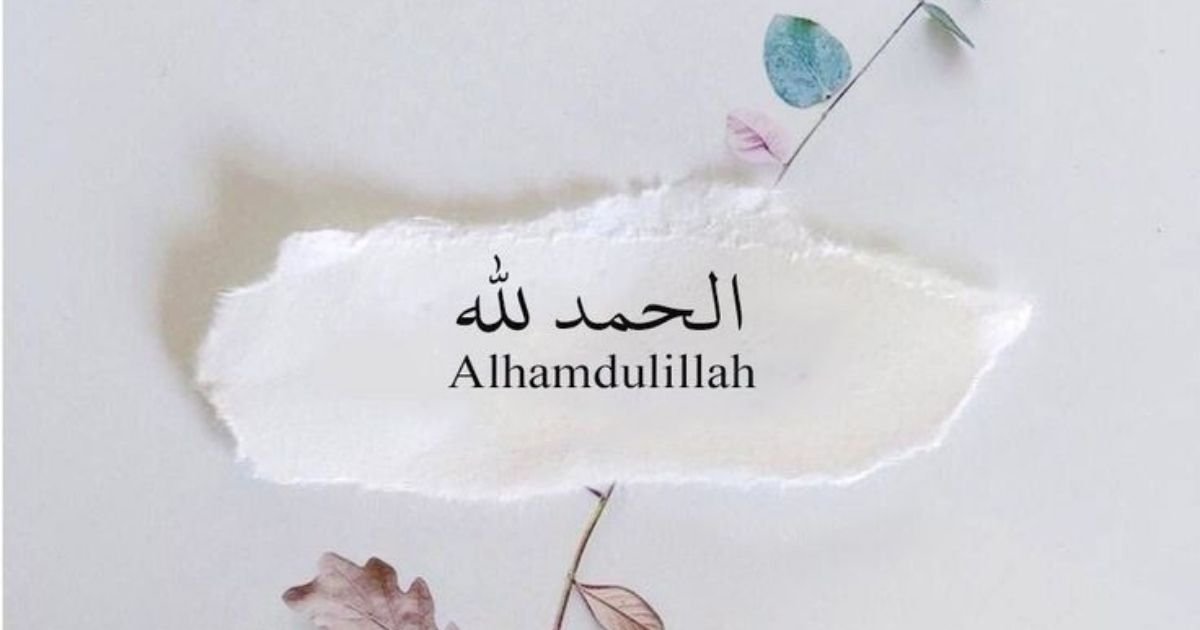
Sometimes we go through moments in life where things finally feel okay, but we don’t know what to say or how to express gratitude. In those quiet moments, many people come across the phrase Alhamdulillah Meaning while searching for the right words to show thankfulness. It often comes from a feeling of peace, relief, or even curiosity about faith and expression.
In this post, you will clearly understand the Alhamdulillah Meaning in simple English along with its emotional and spiritual context. We will also explain how people use it in daily life and what it truly represents in moments of gratitude. By the end, you will feel more confident using this beautiful expression in the right way and understanding its deeper value.
The Meaning of “Alhamdulillah” in Arabic

Alhamdulillah ka Arabic mein matlab hota hai “الحمد لله” yani “All praise is for Allah.” Yeh ek powerful Islamic phrase hai jo shukr aur tareef dono ko show karta hai. Log ise har achi ya mushkil situation mein bolte hain. Alhamdulillah in Arabic gratitude aur faith ko express karta hai.
Yeh phrase rozmarra ki zindagi aur ibadat dono mein use hota hai. Yeh insaan ko Allah ki nematon ka ehsaas dilata hai.
- Arabic phrase “الحمد لله”
- All praise belongs to Allah
- Gratitude aur praise express karta hai
- Har situation mein use hota hai
- Imaan aur shukr ko mazboot banata hai
Linguistic Root and Grammatical Usage
Have you ever wondered why a simple phrase like Alhamdulillah feels so meaningful in every situation? The answer lies in its deep linguistic structure and Arabic roots. This expression is not just a word of gratitude, but a carefully built phrase with powerful grammar and history behind it. Understanding it helps you see how language and faith connect beautifully.
In Arabic, every word carries layers of meaning. Alhamdulillah is no exception. It combines grammar, root words, and cultural depth to express complete gratitude to Allah. Let’s break it down step by step so you can truly understand how this powerful phrase works in language and daily use.
Root Connection ; H-M-D:
The root “H-M-D” is the foundation of Alhamdulillah and it represents praise, gratitude, and appreciation. From this root, many Arabic words are formed, including “Muhammad” and “Hamd.” It shows how one root can carry deep spiritual meaning across language. Think of it like a tree trunk that supports many meaningful branches in Islamic expression.
- H-M-D means praise and thanks
- Root used in many Arabic words
- Connects language with spirituality
- Forms basis of gratitude expressions
- Shared across Islamic vocabulary
Grammatical Form ; Noun Phrase:
Alhamdulillah is a complete noun phrase in Arabic grammar. It does not need a verb to make sense, which makes it powerful and direct. It literally means “all praise belongs to Allah.” This structure shows certainty and completeness, unlike casual expressions in English. It’s like stating a full emotional truth in just a few words.
- Functions as a noun phrase
- No verb needed for meaning
- Expresses complete gratitude
- Conveys certainty and strength
- Common in Arabic expressions
Standalone or Integrated Usage:
Alhamdulillah can be used alone or inside sentences depending on the situation. People often say it after good news, meals, or relief from stress. It fits naturally in conversation without needing extra explanation. For example, after finishing exams, someone might simply say Alhamdulillah, showing gratitude without forming a long sentence.
- Used as a standalone expression
- Can be part of sentences
- Common in daily conversations
- Used after success or relief
- Flexible in communication style
Cultural and Linguistic Depth:
This phrase carries both cultural and linguistic richness. In Arabic-speaking communities, it is part of everyday life, not just religious practice. It reflects humility, gratitude, and awareness of blessings. Even in casual talk, people use it naturally, showing how deeply language and culture are connected in expressing thankfulness.
- Used in daily Arabic culture
- Reflects humility and gratitude
- Blends language and tradition
- Common in Muslim communities
- Shows cultural identity through speech
Lesser-Known Insight:
Many people don’t realize that Alhamdulillah is connected to a wider system of Arabic praise expressions. It is not just a phrase but part of a linguistic family that includes Hamdullah and other variations. These forms show how Arabic builds meaning through roots, patterns, and emotional depth.
- Part of Arabic root system
- Related to Hamdullah usage
- Built through linguistic patterns
- Carries emotional and spiritual depth
- Expands meaning beyond translation
Alhamdulillah in Arabic
In Arabic script, Alhamdulillah is written as “الحمد لله.” It is commonly used in speech, writing, and prayer. The phrase directly connects language with faith and daily life. Even in short conversations, it carries strong meaning and emotional weight.
- Written as الحمد لله
- Used in speech and writing
- Common in Islamic prayer
- Expresses full gratitude to Allah
- Deep cultural significance in Arabic
Read More ; Piper Meaning: Spiritual Significance, Biblical References, and Nicknames
Alhamdulillah meaning in Urdu

Alhamdulillah ka Urdu mein matlab hota hai “تمام تعریفیں اللہ کے لیے ہیں.” Yeh ek Islamic phrase hai jo shukr aur tareef ko zahir karta hai. Log ise khushi, kamyabi ya kisi achi khabar ke baad bolte hain. Alhamdulillah Meaning in Urdu insaan ko Allah ki nematon ka ehsaas dilata hai.
Yeh phrase zindagi ke har lamhe mein use hota hai, chahe sukh ho ya dukh. Yeh dil ko sukoon aur shukr ka jazba deta hai.
- Allah ki tareef ka izhar
- Har haal mein shukrana
- Positive soch ko barhata hai
- Imaan aur sabr ko mazboot karta hai
- Daily Islamic expression hai
Alhamdulillah meaning in English
Alhamdulillah means “All praise is for Allah” in English. It is an Islamic phrase used to show gratitude, praise, and thankfulness to God. People say it in happiness, relief, or after receiving blessings. Alhamdulillah Meaning in English reflects deep faith and a thankful heart in simple words.
This phrase is used in daily life and prayer. It reminds Muslims to stay grateful in every situation, good or bad.
- Means all praise for Allah
- Expresses gratitude and thanks
- Used in daily conversations
- Spoken in happiness or hardship
- Strengthens faith and positivity
Alhamdulillah Meaning in Christianity
Alhamdulillah is an Islamic phrase meaning “All praise is for Allah.” In Christianity, this exact phrase is not used, but the idea of praising and thanking God is very similar. Christians express gratitude through prayers, hymns, and sayings like “Praise the Lord.” Alhamdulillah Meaning in Christianity is understood through shared values of gratitude.
Both religions encourage thankfulness to God in daily life. While the words differ, the spiritual idea is the same. People in Christianity show appreciation for blessings through prayer and worship, just like Muslims say Alhamdulillah to express gratitude in every situation, good or bad, with faith and humility.
Direct Translation and Core Concept
The direct translation of Alhamdulillah Meaning in English is “All praise is for Allah.” It expresses complete gratitude, praise, and acknowledgment of blessings in a simple but powerful way.
- Alhamdulillah means all praise belongs to Allah
- It combines gratitude, praise, and acknowledgment
- Used in daily Islamic speech and prayer
- Reflects strong belief in one God
- Shows thankfulness in all situations
- Can be used in happiness and hardship
- Core idea is complete gratitude to Allah
Christian Equivalent Expressions
Christian equivalent expressions are phrases used to thank and praise God in daily life. They reflect gratitude, faith, and worship, similar to Islamic expressions like Alhamdulillah in Islam.
- Praise the Lord – used to express joy and thanks to God
- Thank God – simple expression of gratitude in daily life
- Glory be to God – shows deep worship and praise
- God is good – reflects trust and positivity in faith
- Hallelujah – joyful praise and celebration of God
- Thanks be to God – used in prayer and gratitude moments
- Blessed be the Lord – shows honor and spiritual respect
Theological Similarities and Differences
The Alhamdulillah Meaning in Islam reflects a strong theological concept of gratitude, praise, and acknowledgment of God’s blessings. In comparative religious studies, it is often discussed alongside similar expressions in other faith traditions. This helps readers understand both shared values and clear differences.
From a theological point of view, different religions express gratitude to the Creator in unique linguistic and doctrinal forms. The interpretation may vary depending on the situation:
| Aspect | Similarities | Differences |
| Concept of gratitude | Most religions encourage thanking God for blessings and life | Alhamdulillah is a direct Arabic phrase rooted in Islamic theology |
| Purpose of expression | Used to show humility, faith, and appreciation | In Islam, it specifically means “all praise belongs to Allah” with strong monotheistic emphasis |
| Usage in worship | Many faiths include gratitude in prayer and daily reflection | Alhamdulillah is frequently used in daily speech, not limited to formal worship |
| Spiritual meaning | Promotes peace, thankfulness, and positive mindset | Islamic usage connects deeply with Surah Al-Fatiha Alhamdulillah meaning |
| Cultural expression | Shared human value across cultures | Pronunciation and usage differ across Muslim communities and languages |
Overall, while gratitude is a universal spiritual idea, the way it is expressed through Alhamdulillah carries a distinct Islamic identity shaped by language, belief, and practice.
Usage in Daily Life and Worship
Alhamdulillah is commonly used in daily life and worship to express gratitude to Allah. People say it in prayers, conversations, and after blessings or relief from difficulties.
- Used after completing daily prayers (Salah)
- Said when receiving good news or success
- Expressed after eating meals
- Used during moments of relief or safety
- Spoken in both happiness and hardship
- Common in everyday Muslim conversations
- Strengthens spiritual connection in worship
Interfaith Understanding and Respect

In a world full of different beliefs and cultures, understanding each other is more important than ever. Words like Alhamdulillah remind us that gratitude is a universal feeling, even if expressed differently. When people learn about each other’s faith, it reduces confusion and builds respect. It’s not about agreeing on everything, but about appreciating shared human values.
Interfaith understanding helps people connect beyond religion. It teaches us that kindness, gratitude, and respect exist in every belief system. When we listen with an open mind, we often realize how similar we are in emotions and values. This creates harmony and reduces unnecessary distance between communities.
Recognizing Common Values:
Every religion teaches gratitude, kindness, and respect in its own way. In Islam, phrases like Alhamdulillah express thankfulness to God, while other faiths have similar expressions. When people focus on these shared values, differences feel smaller. It becomes easier to see that humanity is connected through universal ideas of love, gratitude, and compassion.
Promoting Dialogue:
Talking openly about beliefs helps break misunderstandings. When people share meanings behind words like Alhamdulillah, it creates curiosity instead of judgment. For example, simple conversations between friends of different faiths can clear confusion. Dialogue builds trust, and trust builds peace. It also allows people to learn without fear, creating a safe space for understanding.
Celebrating Diversity:
Diversity is like a colorful garden where every flower adds beauty. Different beliefs, traditions, and languages make the world richer. When we respect expressions like Alhamdulillah, we also respect cultural identity. Celebrating diversity means appreciating differences instead of fearing them. It helps societies grow stronger, more creative, and more emotionally connected.
Challenges and Misinterpretations:
Sometimes, lack of knowledge creates misunderstanding about religious phrases. Words like Alhamdulillah may be misread or used without context. This can lead to confusion or assumptions. However, most issues disappear when people ask questions with respect. Learning the meaning behind expressions helps remove barriers and replaces misunderstanding with awareness and mutual respect.
Hamdullah or Alhamdulillah
People often confuse Hamdullah and Alhamdulillah. Both words express gratitude to Allah in Islamic culture. However, people use Alhamdulillah as the complete and correct Arabic phrase, and it means “All praise is for Allah” and appears widely in daily speech and worship..
Hamdullah is a shorter and informal version used in casual conversation.It carries a similar meaning but does not form the full Arabic expression. People prefer Alhamdulillah in religious context because it reflects the complete Alhamdulillah in Islam and shows proper linguistic structure.
Read More : Smut Book Meaning: Why Readers Talk About It 2026
Alhamdulillah meaning in Hindi
Alhamdulillah ka Hindi mein arth hota hai “Sab tareef Allah ke liye hai.” Yeh ek Islamic phrase hai jo shukrana, prashansa aur Allah ki rehmat ko darshata hai. Log ise khushi, safalta ya achhi khabar ke baad bolte hain. Yeh insaan ko apni zindagi ki nematon ka ehsaas dilata hai.
Iska istemal rozmarra ki zindagi mein hota hai, chahe sukh ho ya dukh. Yeh shabd insaan ko sabr, shukr aur positive soch ki taraf le jata hai. Alhamdulillah sirf ek lafz nahi, balki ek gehra jazba hai jo Allah ki har nemat ko yaad dilata hai aur dil ko sukoon aur shanti deta hai.
Just say Alhamdulillah Meaning in Urdu
“Alhamdulillah” ka Urdu mein matlab hota hai “تمام تعریفیں اللہ کے لیے ہیں” jo Allah ki shukrana aur tareef ko zahir karta hai. Log ise khushi, kamyabi, ya kisi achi khabar ke baad kehte hain. Yeh Islamic phrase imaan ko mazboot karta hai aur insaan ko Allah ki nematon ka ehsaas dilata hai.
Is ka istemal zindagi ke har lamhe mein hota hai, chahe sukoon ho ya pareshani. Yeh insaan ko sabr, shukr aur positive soch ki taraf le jata hai. Alhamdulillah sirf ek jumla nahi, balki ek gehra jazba hai jo dil ko sukoon deta hai aur Allah par yaqeen ko barhata hai.
Alhamdulillah pronunciation

The Alhamdulillah pronunciation is an important part of understanding this widely used Islamic phrase. Many people search for “Alhamdulillah meaning in English” and also want to learn how to say it correctly in Arabic. Proper pronunciation helps preserve the respect and accuracy of this spiritual expression.
In Arabic, pronunciation carries meaning, tone, and cultural respect. Saying it correctly ensures the phrase reflects its true Islamic phrase gratitude and spiritual depth. The interpretation may vary depending on the situation:
- People pronounce it as Al-ham-du-lil-lah, and they speak each part clearly to preserve the meaning of praise and gratitude in Arabic expression.
- Many beginners shorten it as “Hamdullah,” which is common in informal speech but slightly different from the full Alhamdulillah in Arabic structure.
- Proper pronunciation is important in religious contexts, especially during prayer or Quranic recitation, where accuracy reflects respect for Islamic words and meanings.
- In casual conversation, pronunciation may vary by region, but the core meaning of gratitude and praise remains the same across cultures.
- A common mistake is rushing the phrase, which can change clarity. Speaking slowly helps preserve the emotional and linguistic value of the expression.
Correct pronunciation not only improves understanding but also strengthens the connection between language, faith, and respectful communication.
Shukar Alhamdulillah meaning
Shukar Alhamdulillah ka matlab hota hai Allah ka shukr ada karna aur uski har nemat ko maanna. Yeh ek Islamic expression hai jo gratitude aur praise dono ko show karta hai. Log ise khushi, success, ya kisi mushkil se nikalne ke baad bolte hain. Alhamdulillah gratitude ko strong banata hai.
Is phrase ka use daily life mein hota hai, chahe choti baat ho ya badi. Yeh insaan ko positive aur thankful banata hai.
- Allah ka shukr ada karna
- Har halat mein gratitude dikhana
- Positive mindset develop karna
- Imaan aur sabr ko mazboot banana
- Daily Islamic phrase ke طور par use hota hai
Examples of “Alhamdulillah” in Arabic Sentences
Understanding Alhamdulillah Meaning in Arabic becomes easier when you see how it is used in real sentences. This phrase is commonly used in everyday Arabic communication to express gratitude, relief, and praise to Allah in different situations.
In Arabic language learning and Islamic studies, examples help clarify how Islamic gratitude phrases work in real life. The interpretation may vary depending on the situation:
- After receiving good news: “نجحت في الامتحان، الحمد لله” which means “I passed the exam, Alhamdulillah.” It shows gratitude for success and reflects the meaning of Alhamdulillah in Islam.
- During relief from difficulty: “الحمد لله على السلامة” meaning “Alhamdulillah for safety.” It is used when someone recovers or returns safely, showing emotional and spiritual relief.
- In daily routine gratitude: “الحمد لله على كل شيء” meaning “Alhamdulillah for everything.” This expresses full acceptance and trust in Allah’s plan.
- After meals or blessings: people often say “الحمد لله” simply to thank Allah for food, health, or any small blessing in life.
- In challenging moments: even during hardship, saying Alhamdulillah reflects patience and faith, showing that gratitude is not limited to happiness but includes trust in divine wisdom.
These examples show how deeply Alhamdulillah is integrated into Arabic speech, making it a living expression of faith, gratitude, and daily communication.
Cultural or Quranic Significance of “Alhamdulillah”
The phrase Alhamdulillah is more than just a word of thanks. It carries deep cultural and Quranic meaning that shapes how Muslims express gratitude in daily life. From small blessings to big life moments, it reminds believers to stay thankful. This simple phrase connects faith, mindset, and everyday communication in a powerful way.
In both cultural practice and Islamic teachings, Alhamdulillah reflects a lifestyle of gratitude. It is not limited to prayer only but is spoken throughout the day. People use it in happiness, struggle, or relief. It helps build a positive attitude and keeps the heart focused on blessings instead of worries.
Daily Spiritual Reminder:
Alhamdulillah works as a daily reminder to stay grateful in every situation. It brings awareness to blessings that are often ignored in busy life. Whether waking up safely or finishing a meal, it turns small moments into spiritual gratitude.
- Reminds you to appreciate small blessings
- Builds a habit of gratitude
- Shifts focus from stress to peace
- Strengthens daily spiritual connection
Cultural Etiquette:
In many Muslim communities, saying Alhamdulillah is part of respectful communication. It is used naturally in conversations to show humility and thankfulness. It reflects a positive attitude and avoids arrogance in success or good news.
- Used in daily greetings and replies
- Shows humility and respect
- Expresses gratitude in conversations
- Strengthens social and cultural bonding
Connection to Quranic Teachings:
Alhamdulillah has strong roots in the Quran, especially in Surah Al-Fatiha. It teaches that all praise belongs only to Allah. This idea builds strong faith and trust in divine wisdom.
- Mentioned in Surah Al-Fatiha
- Connects believers to Allah directly
- Reinforces gratitude in worship
- Builds spiritual awareness in daily life
Emotional and Mental Benefits:
Saying Alhamdulillah regularly improves emotional balance and peace of mind. It helps shift attention from problems to blessings. This mindset reduces stress and brings comfort during difficult times.
- Reduces stress and anxiety
- Builds emotional strength
- Encourages positive thinking
- Helps accept life situations calmly
Common Misunderstandings or Mistakes
Many people misunderstand the true Alhamdulillah, often limiting it to a simple “thank you.” In reality, it is a deeper Islamic phrase that expresses complete praise and gratitude to Allah. These misunderstandings usually come from direct translation without cultural or religious context.
In Islamic teachings and daily usage, this phrase carries emotional, spiritual, and linguistic depth. It is not just spoken after good news, but also during hardship as a sign of patience and faith. The interpretation may vary depending on the situation:
- Some people think Alhamdulillah is only used after good events, but in Islam it is also said during difficulties to show patience and trust in Allah’s plan. This reflects deeper spiritual gratitude beyond surface-level happiness.
- Another common mistake is translating it simply as “thank God,” which misses its full meaning of praise, gratitude, and acknowledgment of divine wisdom. The Alhamdulillah Meaning in English is broader than a direct translation.
- In casual conversations, some use it as a habit without understanding its Islamic phrase gratitude context. This reduces its spiritual impact and turns it into an automatic response rather than a mindful expression.
- Some learners confuse it with similar phrases like “Hamdullah,” assuming both are identical. However, subtle differences in pronunciation and usage reflect variations in Arabic linguistic structure and meaning.
- A positive misunderstanding is when non-Arabic speakers adopt it to express gratitude in daily life. While not always perfect in context, it shows growing awareness of Islamic gratitude phrases and cultural respect.
Overall, understanding the correct usage of Alhamdulillah helps preserve its spiritual value and avoids reducing it to a simple expression.
Why You Should Learn “Alhamdulillah”
Learning Alhamdulillah helps you understand gratitude in Islam. It builds respect for culture, improves communication, and connects you with a powerful expression of thankfulness used daily by Muslims worldwide.
- Helps understand Islamic gratitude phrases
- Improves cultural and religious awareness
- Used in daily Muslim conversations
- Strengthens positive thinking habits
- Builds respect for Islamic language
- Easy to use in real life situations
- Connects you with global Muslim culture
Frequently Asked Questions
What is Alhamdulillah Meaning?
Alhamdulillah is All praise is for Allah. It shows gratitude, worship, and thankfulness in Islam, used daily in prayers and conversations by Muslims.
What does Alhamdulillah mean?
Alhamdulillah Meaning means praising Allah in every situation. Muslims use it to show gratitude, faith, and acceptance of blessings in life.
Why do Muslims say Alhamdulillah?
Muslims say Alhamdulillah to thank Allah for blessings. It reflects gratitude, patience, and belief in Allah’s wisdom in all situations.
When should we say Alhamdulillah?
Alhamdulillah Meaning is said after success, food, or relief. It is used anytime Muslims feel thankful for Allah’s blessings.
How to use Alhamdulillah in sentence?
Alhamdulillah Meaning is used like I am fine Alhamdulillah. It expresses gratitude in simple daily conversations and responses.
What is Alhamdulillah meaning in English?
Alhamdulillah Meaning in English is All praise is for Allah. It shows gratitude and worship in Islamic faith.
What is Alhamdulillah meaning in Urdu?
Alhamdulillah in Urdu is تمام تعریفیں اللہ کے لیے ہیں. It expresses praise and thankfulness to Allah.
What is Alhamdulillah pronunciation?
Alhamdulillah Meaning pronunciation is Al-ham-du-lil-lah. It should be spoken clearly for correct understanding and respect.
What is the difference between Hamdullah and Alhamdulillah?
Alhamdulillah Meaning is full Arabic form. Hamdullah is informal, but both show gratitude to Allah in Islam.
Is Alhamdulillah used in daily life?
Alhamdulillah is used daily in Islam. Muslims say it in happiness, sadness, and every situation of life.
Conclusion
Alhamdulillah Meaning is more than just a phrase. It is a way of life for Muslims. It shows gratitude, praise, and thankfulness to Allah in every situation. When people understand Alhamdulillah, they start seeing blessings in small and big moments. It builds peace, faith, and a positive mindset in daily life.
In simple words, Alhamdulillah Meaning teaches us to stay thankful always. It reminds us that everything comes from Allah. When you say Alhamdulillah, you accept both good and hard times with patience. This small phrase carries deep power and emotion. It connects the heart with faith and brings calmness in life. Always remembering Alhamdulillah helps you stay grateful, humble, and strong every single day.
